Romantasy Category Guidelines
1. Definition & Scope
Romantasy is a genre where Fantasy and Romance are the two co-equal driving factors of the narrative. One cannot exist without the other; the plot must fall apart if either the fantasy conflict or the romantic relationship is removed. This category exists to make that experience discoverable and to keep it intact. It represents a distinct reading experience popularized primarily by female readers and creators.
2. Core Pillars (Mandatory Elements)
A storyline categorized as Romantasy MUST feature all five:
A Fantasy World
The setting requires significant magical or supernatural worldbuilding (high fantasy, fae courts, magical kingdoms, dragons, etc.). *Note: a story set in the real world with a vampire love interest is Paranormal Romance, not Romantasy.
A Central Romance Plot
The emotional and narrative arc must hinge on the romantic connection. It is not a subplot; it is the co-lead of the story. Romance that exists only to justify sexual encounters does not meet this bar.
Character Interiority and Agency
Both the persona and the romantic interest must be written as full characters with their own motivations, histories and inner lives. The persona drives events rather than having events happen to her. Romantic interests are characterized through personality, competence and emotional complexity, not primarily through physical description or availability.
The test:
Is the love interest a person, or a prize to be acquired?
Is the persona a character, or an object the player collects?
In situations where multiple characters are present and harem dynamics are in play, the following can be used as reference.
- Why-choose / reverse harem (one female protagonist, multiple partners, all in a committed endgame) → stays in Romantasy.
- Harem structure (target male players) (partners accumulated as reward, roster, or status; romance not load-bearing; no committed endgame) → Does NOT stay in Romantasy
Target audience
Romantasy is developed and positioned for a primarily FEMALE readership, reflecting the category's emphasis on female interiority, agency and romantic-fantasy wish fulfillment. This defines editorial and marketing focus only. It does not restrict who may enjoy these contents.
Persona
The persona should include at least one female character, with the narrative anchored in her point of view. Dual-POV stories with a male and female persona qualify. Stories with two male persons qualify when the work is written as M/M romantasy (BL), which shares the same readership and structural conventions.
3. Why This Category Matters
Romantasy has a specific history. Female-authored fantasy was historically pushed off mainstream fantasy shelves once romance became prominent. The genre developed its own conventions and its own audience in that separate space and has since built one of the most devoted and fastest-growing readerships in publishing, particularly among women.
Users come to this category expecting those specific conventions: substantial worldbuilding, a romance with real emotional stakes and leads written with depth on both sides. When the category fills with content that does not meet those conventions, it stops being useful as a discovery tool and the users looking for it go elsewhere.
Curation here is about protecting a genre's integrity, the same way we would not accept a combat-focused action story tagged as Slice of Life. The standards below describe the work, not the creator or the player.
4. Cover Guidelines & Imagery
Covers must reflect the genre's conventions and accurately signal the content inside.
A Romantasy cover typically features:
The Protagonist:
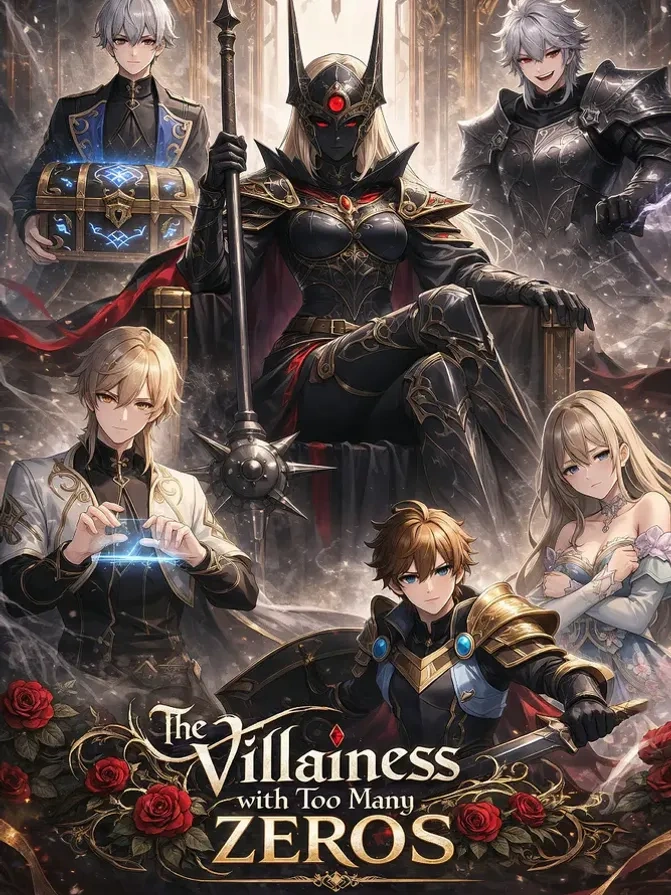
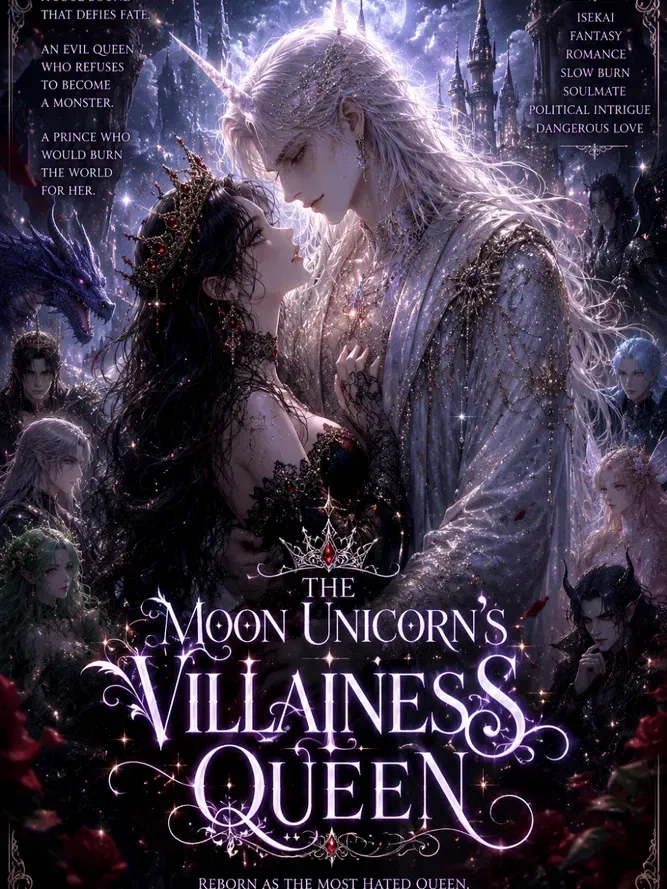
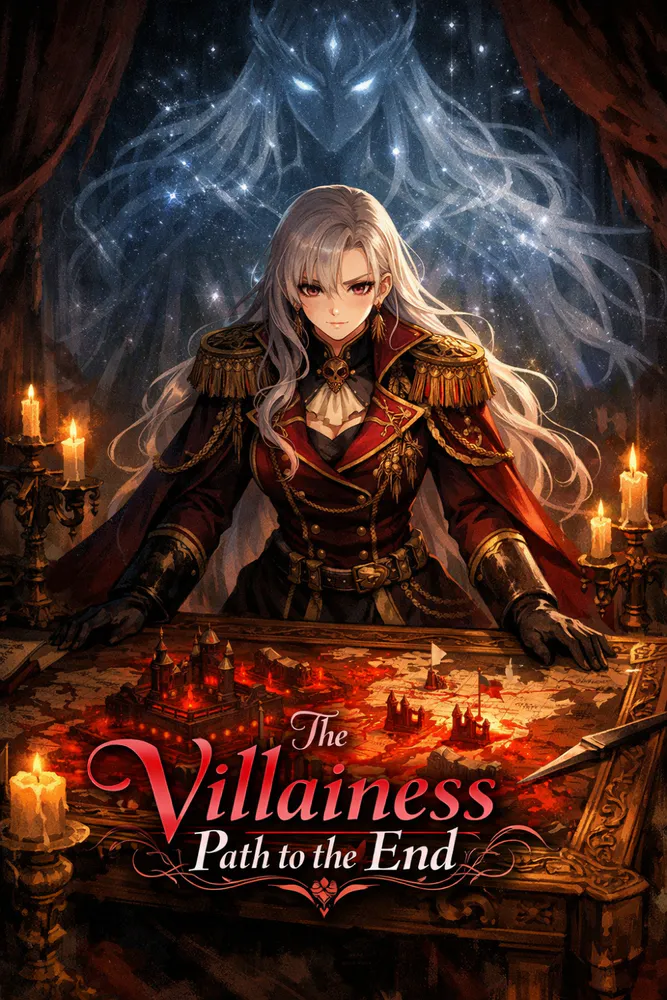
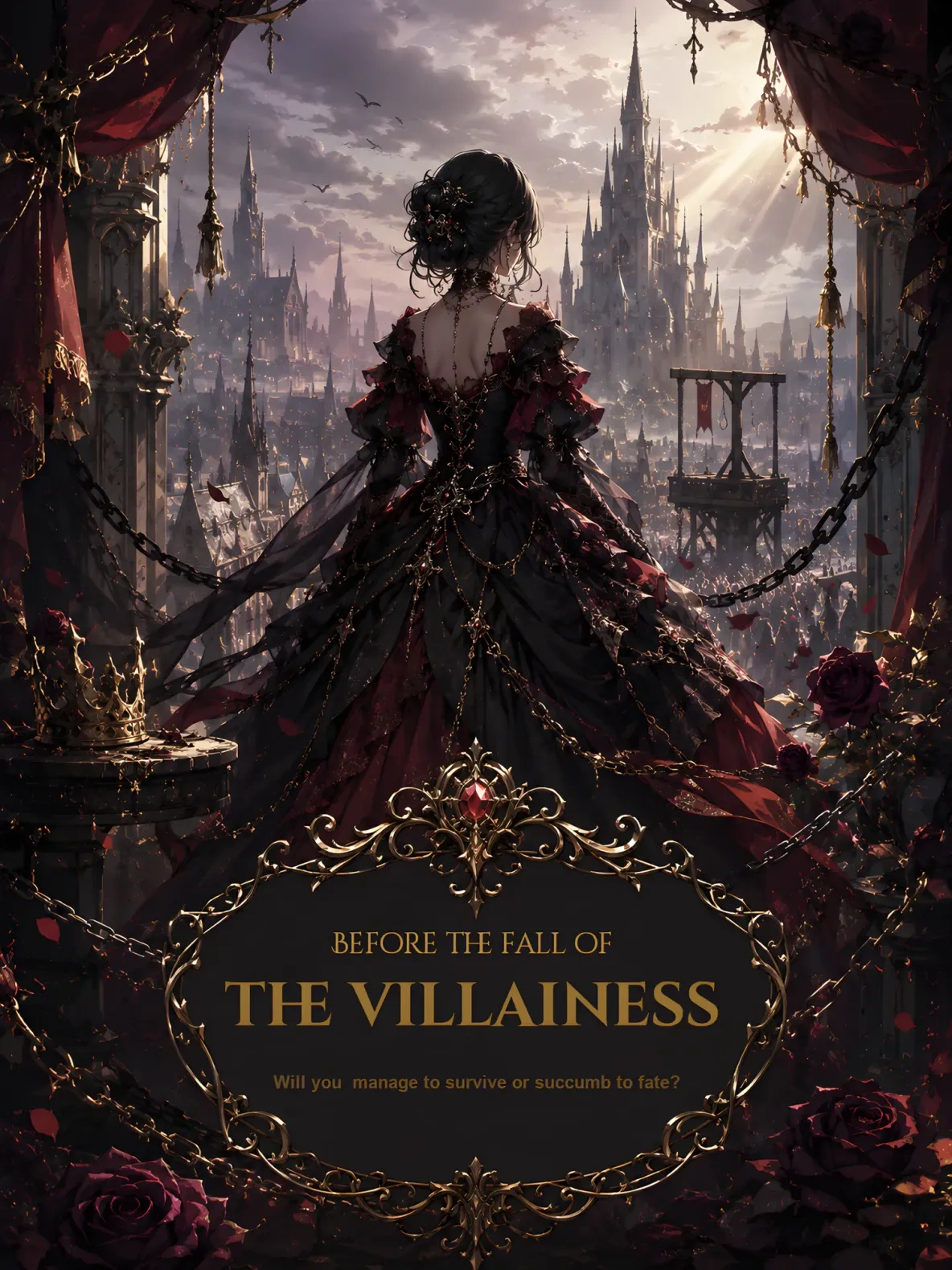
depicted in a composition that conveys agency, strength, or mystique (elegant gowns, armor, practical fantasy clothing). Posture and expression should convey presence and self-possession. She should denote power, not submission.
The Love Interest:
Depicted as a character with presence and personality. Genre convention often leans toward brooding, noble, or dangerous archetypes, but any characterization works as long as the figure reads as a person rather than an object.
The Cast:
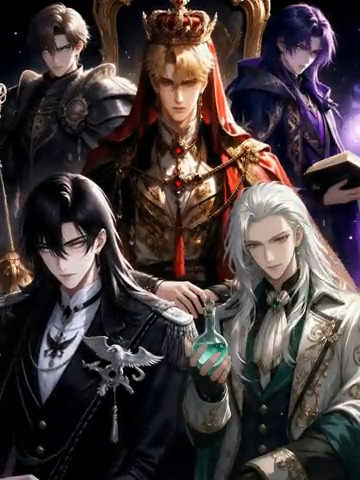
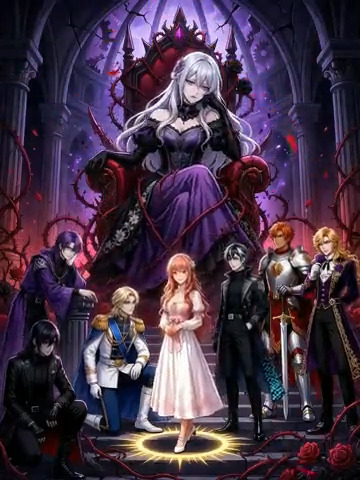
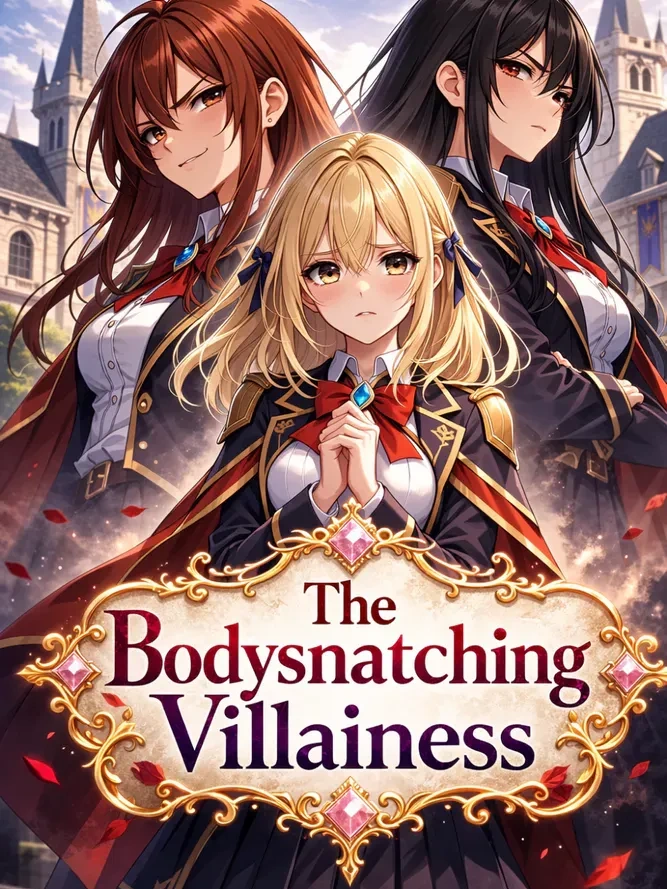
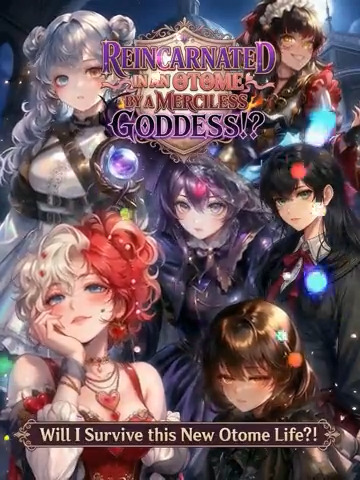
Where multiple figures appear, all should read as characters with their own presence in the composition, conveying tension, longing or partnership.
Prohibited on Romantasy covers:
Sexualized objectification
Covers where a figure is posed primarily for sexual display rather than characterization. This includes contorted or anatomically distorted poses that exist to emphasize breasts or buttocks simultaneously, compositions that crop or frame a character as body parts rather than a person, and poses conveying sexual submission rather than agency. This applies to all characters regardless of gender.
Queer pairings (WLW):
Are equally valid in this category and are held to the same standards: emotional connection and characterization over sexual display.
Harem compositions:
Covers where female partners are arranged as a roster or collection rather than as individual characters, consistent with the harem structure.